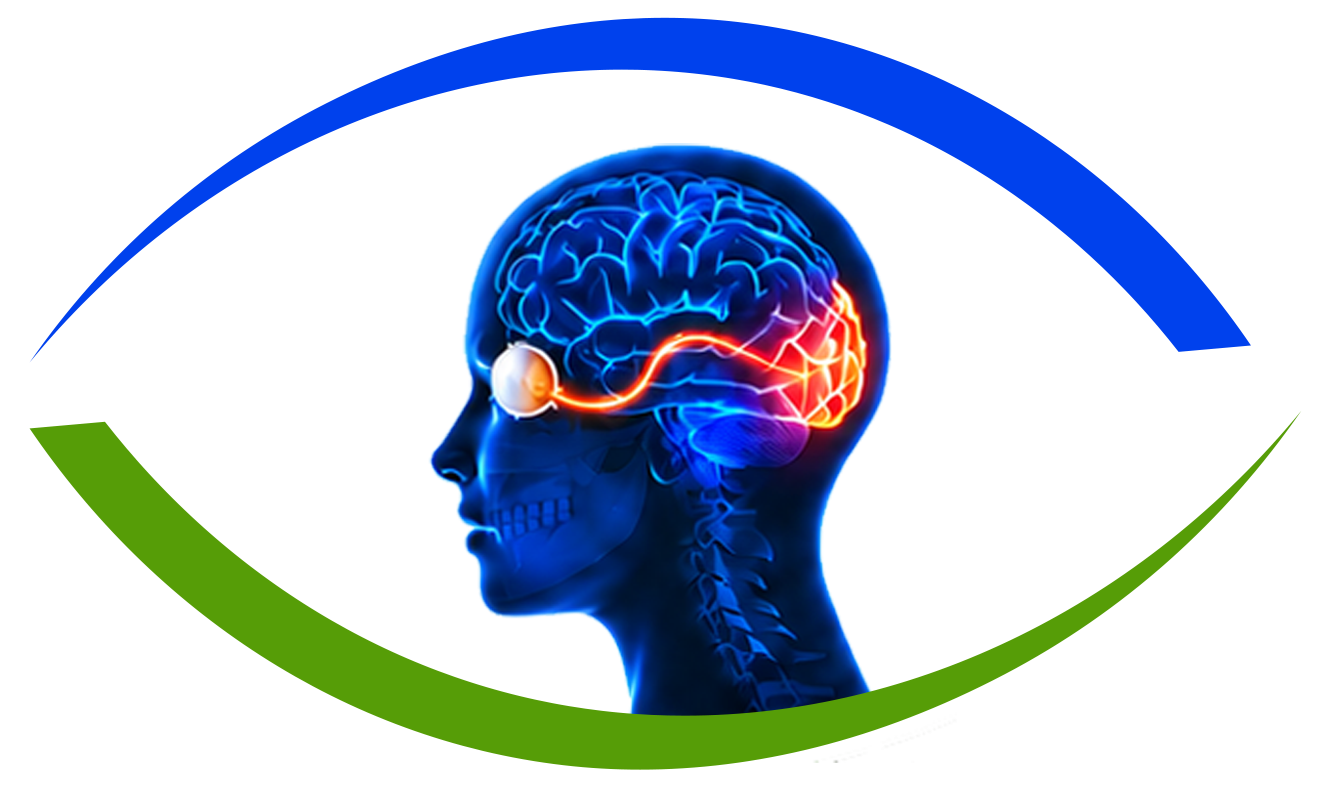
Unexplained vision loss occurs when a patient experiences genuine visual deterioration despite having a normal anterior segment, clear ocular media, and an unremarkable retina on standard ophthalmic exams. A neuro-ophthalmologist employs electrophysiology, specialized neuroimaging, and psychophysical testing to uncover occult optic neuropathies, cortical processing disorders, or functional visual deficits.
Common Symptoms & Clinical Presentation
Patients with unexplained vision loss commonly report one or more of the following characteristic symptoms:
- Decreased clarity or visual acuity unexplained by refraction or cataract evaluation
- Persistent visual noise or static across the entire visual field (Visual Snow Syndrome)
- Distortions in object size (micropsia/macropsia) or shape (metamorphopsia)
- Photophobia (light sensitivity) without ocular surface inflammation
- Episodic transient visual loss or obscurations
Underlying Causes & Mechanisms
Neuro-ophthalmic conditions frequently result from complex interactions between the central nervous system, autoimmune pathways, and vascular circulation:
- Occult retrobulbar optic neuropathy or early compressive chiasmal lesion
- Visual Snow Syndrome (thalamocortical dysrhythmia)
- Occult autoimmune or paraneoplastic retinopathies (CAR/MAR syndromes)
- Posterior Cortical Atrophy (Benson’s syndrome / atypical neurodegenerative disorder)
- Functional Neurological Disorder (non-organic visual loss)
Specialized Diagnostic Workup
An accurate diagnosis requires in-depth tertiary evaluation that correlates visual sensory testing with computerized structural imaging:
- Pattern Visual Evoked Potentials (P-VEP) and Electroretinography (ERG / multifocal ERG)
- High-definition OCT of the macula and retinal nerve fiber layer
- 3T Neuroimaging of the orbits and brain with specialized protocols
- Rigorous non-organic visual testing protocols (mirror test, polarized glasses, fogging techniques)
Management & Therapeutic Strategies
Treatment protocols are tailored to the specific etiology and severity of visual risk:
- Targeted therapy for identified occult structural or neuro-inflammatory disorders
- Lifestyle and neuromodulating protocols for Visual Snow Syndrome (tinted lenses, FL-41 filters)
- Reassuring and non-judgmental positive diagnostic feedback for functional visual conditions
- Multi-disciplinary collaboration with neurologists and neuro-radiologists
Frequently Asked Questions
Visual Snow is a neurological disorder characterized by continuous tiny flickering dots across the entire visual field (like television static), often accompanied by afterimages (palinopsia), light sensitivity, and ringing in the ears (tinnitus).
It means the anatomical structure of the eye (cornea, lens, retina) is physically intact, but the problem lies in the transmission wire (optic nerve) or the processing computer (the brain). Neuro-ophthalmologists specialize in evaluating this exact pathway.